CCTV and Its Effect on Crime Reduction

In today's world, safety and security have become paramount concerns for both individuals and business owners. With the rise of crime rates in various parts of the world, many organizations and public spaces are turning to Closed-Circuit Television (CCTV) systems as a means to enhance security. This blog post aims to inform the general public and business owners about the impact of CCTV on reducing crime, including relevant statistics, case studies, benefits, and potential drawbacks.
Understanding CCTV Systems
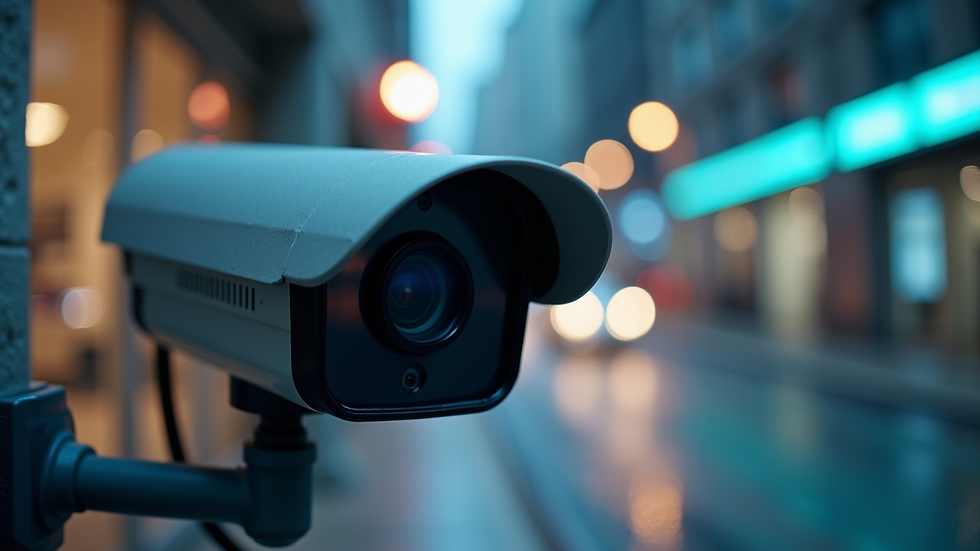
CCTV systems are surveillance technologies that utilize video cameras to transmit footage to a specific monitoring location. These systems range from simple setups used in small businesses to extensive networks employed by government facilities. The primary purpose of CCTV is to monitor areas for security purposes. In recent years, the adoption of CCTV has increased dramatically.

Statistics on Crime Reduction
Statistics show that the presence of CCTV can significantly deter criminal activities. Research conducted in various cities around the world indicates a reduction in crime rates when CCTV is installed. A study by the University of North Carolina found that in urban areas, crime rates declined by up to 30% in areas with active surveillance systems.
Moreover, the UK has been at the forefront of CCTV implementation, with reports indicating that roughly 20% of the overall crime reduction since the 1990s can be attributed to the widespread use of CCTV cameras. Studies from various cities demonstrate that property crimes such as burglaries and vandalism have been notably reduced due to increased surveillance.
Case Studies Illustrating CCTV Effectiveness
Real-life examples provide insight into how CCTV can impact crime rates. In the city of Chicago, a citywide initiative implemented thousands of surveillance cameras, leading to decreased crime in several neighborhoods. A report from the Chicago Police Department indicated a 25% reduction in crime rates in areas where cameras were strategically placed.
Further, in the UK, a case study in a shopping mall revealed that after installing CCTV cameras, reported thefts decreased by over 50%. This significant drop showcases how visual surveillance can encourage compliance among potential offenders, knowing they may be witnessed and recorded.

Benefits of CCTV
The benefits of CCTV extend beyond mere crime reduction. Here are some key advantages:
Deterrence of Crime: The presence of cameras often deters potential criminals. Knowing they are being watched makes many reconsider their actions.
Evidence Collection: CCTV footage can serve as valuable evidence during criminal investigations. Law enforcement agencies can review videos to identify suspects and verify events that occurred.
Enhanced Safety for Employees: Business owners can enhance workplace safety, making it easier to monitor employee conduct and ensure a secure environment.
Insurance Benefits: Some insurance companies offer discounts for businesses that utilize effective surveillance systems, as they reduce the risk of theft and vandalism.
Remote Monitoring: Many modern CCTV systems allow business owners to monitor their premises remotely using smartphones or computers, providing peace of mind, especially during off-hours.
Potential Drawbacks
Despite the benefits, there are potential drawbacks to consider:
Privacy Concerns: Individuals often express concerns over privacy when surveillance cameras are implemented in public or semi-public spaces.
Cost: Installing a comprehensive CCTV system can be costly for small businesses. The initial investment, along with ongoing maintenance expenses, may deter some from implementing it.
False Sense of Security: Relying solely on CCTV for security may lead some to neglect other crucial safety measures.
Vulnerabilities: CCTV systems can be compromised through hacking or technical failures, which can lead to gaps in surveillance coverage.
Integrating CCTV with Other Security Measures
Combining CCTV systems with other security measures can enhance the overall effectiveness of security protocols. For example:
Access Control Systems: Integrating CCTV with electronic access control can help ensure only authorized personnel are granted entry to secure areas.
Alarm Systems: Pairing CCTV with alarm systems provides an extra layer of security, ensuring immediate response in the event of an intrusion.
Security Personnel: Employing security staff alongside CCTV not only enhances monitoring efforts but also provides a quick-response capability to real-time situations.
By utilizing a multi-faceted approach, businesses can effectively safeguard their properties and reduce crime rates more effectively.
The Future of CCTV in Crime Prevention
As technology continues to evolve, the capabilities of CCTV systems are also advancing. Innovations such as artificial intelligence (AI) are enabling smarter surveillance systems that can detect unusual behaviors or identify license plates.
Moreover, cities across the globe are exploring connected camera systems that integrate data with other technologies, enhancing public safety further.
Making Informed Decisions as a Business Owner
For business owners, deciding to invest in a CCTV system should involve careful consideration. Here are some actionable recommendations:
Conduct a Risk Assessment: Evaluate your specific security needs. Identify potential threats and vulnerabilities in your establishment.
Shop Around: Research different surveillance systems and providers. Consider features that are most relevant to your business needs.
Consult with Experts: Seek advice from security professionals who can provide insights into the best practices for CCTV implementation.
Stay Informed on Regulations: Be aware of local laws regarding surveillance camera usage. Ensure compliance to avoid legal issues.
Engage Employees: Educate your employees about the presence of CCTV and its purpose for enhancing safety.
By making informed decisions, business owners can effectively leverage CCTV systems for the benefit of their security.
A Safer Community Through CCTV
CCTV technology plays a vital role in today's efforts to combat crime. By reducing crime rates, providing valuable evidence, and enhancing safety, CCTV systems contribute to creating secure communities. However, it is essential to balance the benefits with considerations regarding privacy, costs, and a comprehensive security strategy.
As businesses and communities continue to evolve, embracing smart technology while being aware of its implications will be vital for achieving a safer future. The integration of CCTV systems is not just about surveillance; it’s about fostering environments that discourage criminal behavior and encourage community trust.
In summary, while CCTV systems come with challenges, their advantages far outweigh the concerns when implemented thoughtfully and strategically, showcasing their impact on crime reduction and public safety.


Comments